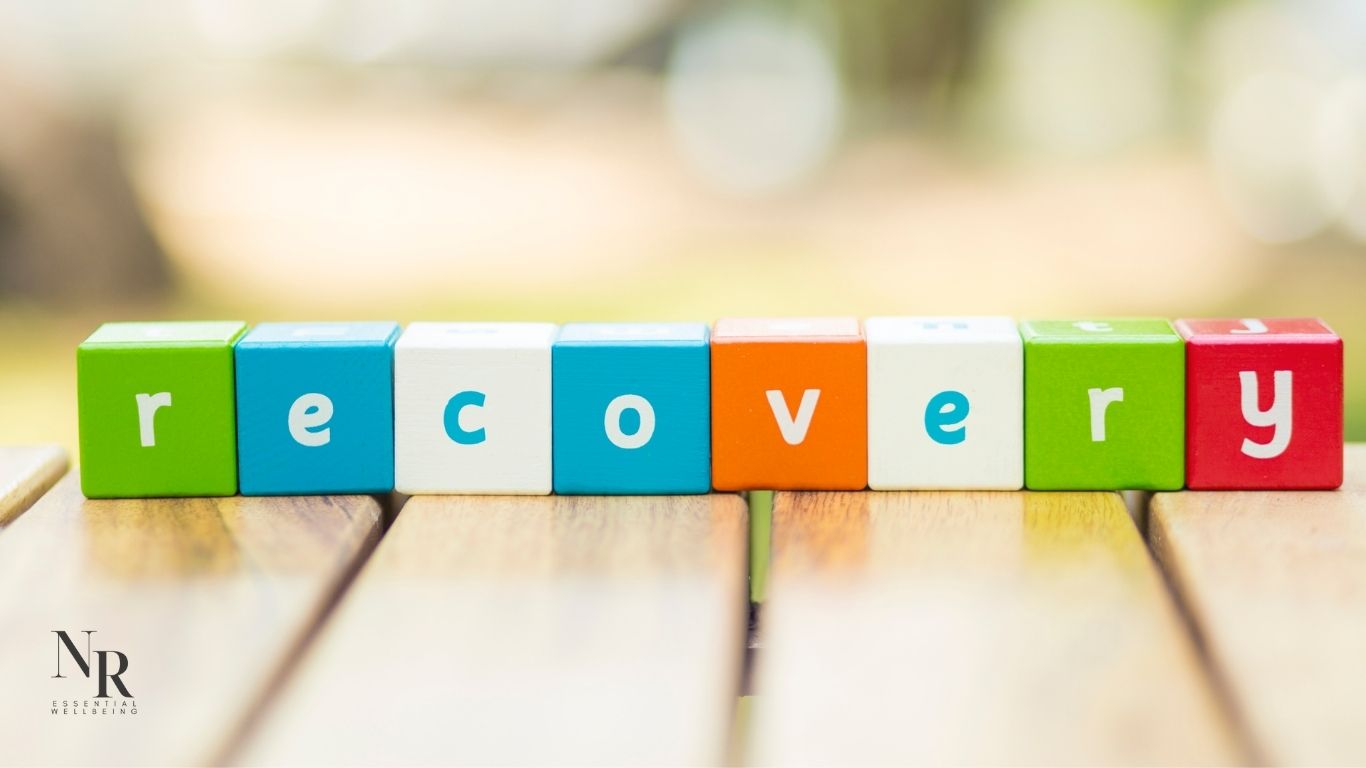
For years, success was measured by how little you slept and how much you worked. Exhaustion became a badge of honour, and burnout was the price of ambition. But the truth is this: you don’t perform better by pushing harder — you perform better by recovering smarter. Recovery isn’t the absence of work. It’s the foundation of it. If you want long-term results, you need to treat rest as part of the plan, not the pause after it.
Redefining Recovery
Recovery isn’t laziness. It’s the intentional process of restoring your physical energy, emotional balance, and mental clarity. Think of it like a training cycle: Effort without recovery leads to injury. Recovery without effort leads to stagnation. But balanced cycles of both create strength and endurance. Entrepreneurship and wellness work the same way.
The Biology of Rest
When you rest, your body repairs. Muscles rebuild, cells regenerate, and your nervous system resets. Sleep and stillness activate the parasympathetic nervous system — the body’s “rest and digest” mode — which restores balance after stress. Without regular activation of this system, cortisol stays high, immunity drops, and creativity vanishes. That’s why recovery isn’t optional; it’s a biological necessity.
The Psychology of Recovery
Rest is how your mind processes experience. When you slow down, your subconscious catches up — solving problems, integrating lessons, and refreshing perspective. That’s why breakthroughs often come after a break. The pause clears the path for clarity. True recovery is mental as well as physical — space to think, feel, and breathe.
The Entrepreneur’s Recovery Gap
Entrepreneurs often resist rest because of guilt. “If I stop, everything will fall apart.” But what actually happens is the opposite. Without recovery, decision-making declines, emotional volatility increases, and productivity drops. You work longer, achieve less, and feel worse. Recovery isn’t time lost; it’s energy gained. A rested mind makes better moves.
Active vs. Passive Recovery
There are two types of recovery — and both matter:
- Active Recovery: Gentle movement, nature walks, stretching, light exercise.
- Passive Recovery: Deep sleep, meditation, aromatherapy, or simply being still.
Alternate both throughout your week to maintain flow and avoid burnout. Movement nourishes circulation; stillness nourishes the soul.
The Science of Sleep
Sleep is your ultimate performance enhancer. It’s during sleep that your brain consolidates memory, regulates hormones, and repairs tissue. Even a single night of poor sleep can reduce focus, emotional regulation, and metabolism.
Prioritise 7–8 hours of consistent, high-quality sleep:
- Set a bedtime routine.
- Reduce screens an hour before bed.
- Use calming aromas or natural aids for deep rest.
- Keep your room cool, dark, and peaceful.
Sleep well, and everything else follows.
The Role of Micro-Rest
Recovery isn’t only for weekends. Micro-rest — short breaks throughout the day — keeps energy levels stable.
Try:
- 60-second deep-breath pauses between meetings.
- 5-minute walks outside every hour.
- 10-minute afternoon reset with calming essential oils music.
Small rests prevent big crashes.
Emotional Recovery
Stress doesn’t just drain your body; it drains your emotions. Entrepreneurs often carry unprocessed frustration, guilt, or pressure. Emotional recovery means acknowledging and releasing these feelings through journaling, conversation, or mindfulness. It’s about resetting your heart, not just your calendar. The lighter your emotions, the clearer your decisions.
Mental Recovery — Quieting the Noise
Your brain is constantly processing input. Without downtime, it becomes cluttered. Mental recovery comes through silence — meditation, digital detox, time in nature. Stillness isn’t unproductive; it’s mental spring cleaning. When your mind quiets, your creativity returns. You can hear ideas again.
Recovery and the Nervous System
Stress activates your “fight or flight” mode. Prolonged stress keeps your nervous system in overdrive, leading to exhaustion and tension. Recovery techniques — deep breathing, essential oils like Lavender, or grounding exercises — signal safety back to your brain. That safety allows your system to repair. Every moment of calm is a message to your body: you’re safe to heal.
Rest as a Productivity Tool
The most productive people rest strategically. They treat downtime like an appointment — non-negotiable. That’s because rest refuels focus, enhances creativity, and increases decision accuracy. You’re not losing time; you’re investing it wisely. Rest is what turns hard work into smart work.
The Weekend Myth
If you only recover on weekends, you’re always catching up. Instead, integrate mini-recovery rituals daily.
- Morning: Deep breathing and gratitude.
- Afternoon: Movement and hydration.
- Evening: Reflection and calm.
Recovery isn’t something you do after life — it’s part of how you live.
Recovery for the Body
Physical recovery includes more than sleep:
- Balanced nutrition and hydration.
- Gentle stretching or yoga.
- Natural supplementation that supports energy and muscle repair.
- Relaxation rituals that ease physical tension.
When the body feels supported, the mind feels safe. And safety is where success thrives.
The Spiritual Power of Stillness
Rest reconnects you to meaning. When you’re constantly busy, it’s easy to forget why you started. Stillness restores that connection. It’s where gratitude grows and perspective returns. Recovery isn’t escape — it’s remembrance.
Recovery and the Additional Income Stream
If your business depends solely on you working nonstop, it’s not sustainable. Building a wellness-based income stream creates freedom — financial and energetic. It allows you to rest without guilt, knowing your income continues to flow. Recovery becomes not just physical — but financial. That’s smart entrepreneurship: systems that support the human behind the strategy.
The Strategy of Stillness
The strongest people aren’t those who never stop — they’re those who know when to stop. Rest isn’t weakness; it’s wisdom. Recovery is the foundation of resilience, focus, and creativity. So schedule it. Honour it. Protect it. Because when you recover fully, you rise powerfully.
If this resonates with you, click below and let’s have a conversation.